
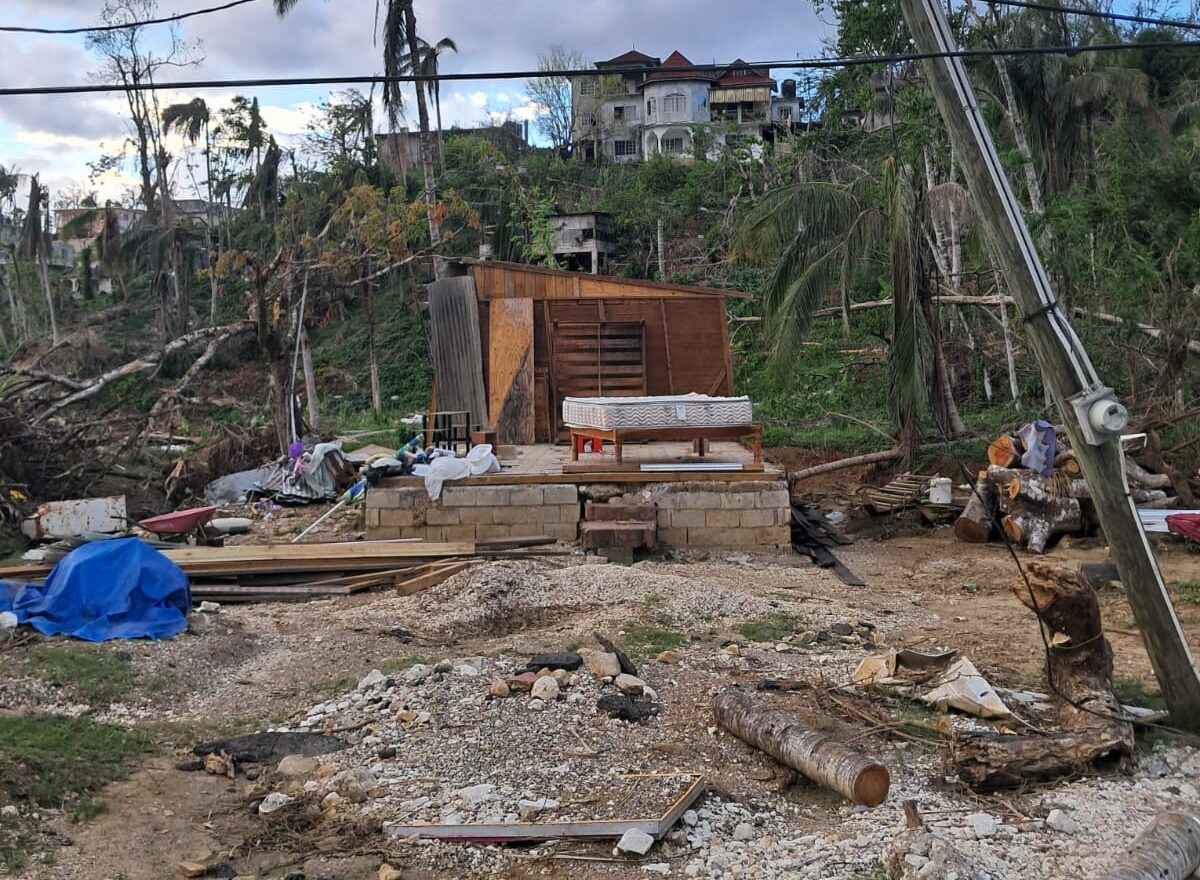
What to Do Before, During and After a Hurricane?
Discover the key safety measures to follow before, during and after a hurricane to protect your home, your loved ones and yourself during hurricane season.
What is a hurricane?
A hurricane is a large rotating weather system that forms over the ocean. Hurricanes develop over the warm waters of the Atlantic before moving towards the Caribbean. As the system strengthens, an eye may form at its centre. The strongest winds rotate around the eye in a counterclockwise direction.
Hurricanes can bring several dangerous and destructive hazards, including strong winds, heavy rainfall, storm surge, dangerous waves and thunderstorms.
Every year, between June and November, the Caribbean experiences its hurricane season. The region is exposed because it lies within the tropical Atlantic, where conditions are favourable for hurricanes to form.
For more information, visit our page Hurricanes
.
What to do before a hurricane
- Follow weather updates and official safety instructions.
- Find out about the alert levels used in your territory during a hurricane.
- Find out where the nearest safe shelters are.
- Prepare your emergency kit. Watch our video and download the checklist: Emergency kit
- Write down important emergency phone numbers.
- Check your supplies, including canned food, drinking water, batteries for radios, medication, etc.
- Fill your vehicle’s fuel tank.
- If you require medical care or regular treatment, contact your doctor or health centre in advance.
How to secure your home?
- If necessary, reinforce doors and windows with securely fixed wooden panels.
- Check that your roof is watertight and structurally sound.
- Clean gutters and drainage pipes.
- Bring indoors any objects that could become dangerous projectiles in strong winds.
- Keep pets indoors and in a safe place.
- Turn off the electricity and gas supply if advised to do so by the authorities.
What to do during a hurricane
- Follow official safety instructions and monitor updates using a battery-powered radio if necessary.
- Stay indoors, away from windows and other openings, or go to a safe shelter designated by the authorities.
- Do not go outside.
- Unplug electrical appliances.
- Use flashlights rather than candles to reduce the risk of fire.
- If flooding is likely, move to a higher floor or another safe elevated location.
What to do after a hurricane
- Continue to follow official safety instructions.
- Stay sheltered until the authorities confirm that it is safe to go outside.
- Remain vigilant: other hazards may occur, including flooded ravines, landslides and fallen power lines.
- Only use your vehicle if absolutely necessary, so that emergency services can move freely.
- Inspect your home for signs of structural damage or collapse.
- Check for leaks, especially gas leaks.
- Keep the electricity switched off, particularly if your home has been flooded or electrical installations are wet.
- Pay attention to water quality. Prefer bottled water and dispose of food that may have spoiled.
- Hurricanes Frequently Asked Questions – Atlantic Oceanographic & Meteorological Laboratory
- Emergency kit – Caribbean Risks
- Hurricane preparedness – It’s Your Move, PIRAC