Sharing experiences to pass on lessons: how disaster memories can strengthen prevention
faire avant, pendant et après un ouragan ?
A disaster is more than a date, an intensity level or a record of material and human losses. Behind the figures are individual experiences: people who had to evacuate their homes, protect their loved ones, cope with water or power cuts, return to neighbourhoods that had been transformed, or rebuild their daily lives.
Keeping the memory of disasters alive to be better prepared
Over time, these experiences can fade. Generations pass, and events gradually become more distant. Personal accounts help preserve a living memory of disasters and natural hazards.
Remembering is also a way of preparing. Past events remind us that disasters can affect anyone, including territories that may have seemed less exposed. In the Caribbean, a hurricane, earthquake or volcanic eruption affecting one island can also be relevant to other territories across the region, even though the consequences vary depending on their exposure, vulnerabilities and preparedness.
Listening to people who have experienced these events helps us better understand the challenges they faced, the actions that helped keep them safe and the needs that should be considered before another event occurs. This collective memory helps pass on the right safety practices, raise awareness among younger generations and highlight the importance of being prepared, even when danger seems far away.
Learning from experience
Personal accounts also provide practical insight into how communities experience and understand risks.
What happens when an alert is issued? Are the instructions understood? Do people know where to find shelter? What obstacles might prevent an evacuation? What do families actually need in the first few hours after an event?
The accounts of people who have lived through these situations help us better understand the challenges on the ground, as well as the actions and solutions that helped keep them safe.
Alongside scientific and technical data, these accounts help identify people’s needs more accurately, address certain barriers and improve prevention efforts. They also make it possible to share practical lessons with other Caribbean territories facing similar hazards.
Passing on lessons to be better prepared
Personal accounts also build connections between generations. By giving a voice to those who have experienced a disaster, they make risks more tangible and help pass on lessons that may prove useful in the future.
This transmission of knowledge helps develop a strong culture of risk awareness: knowing about past events, understanding the vulnerabilities of one’s territory and knowing what to do when another event occurs.
Useful resources:
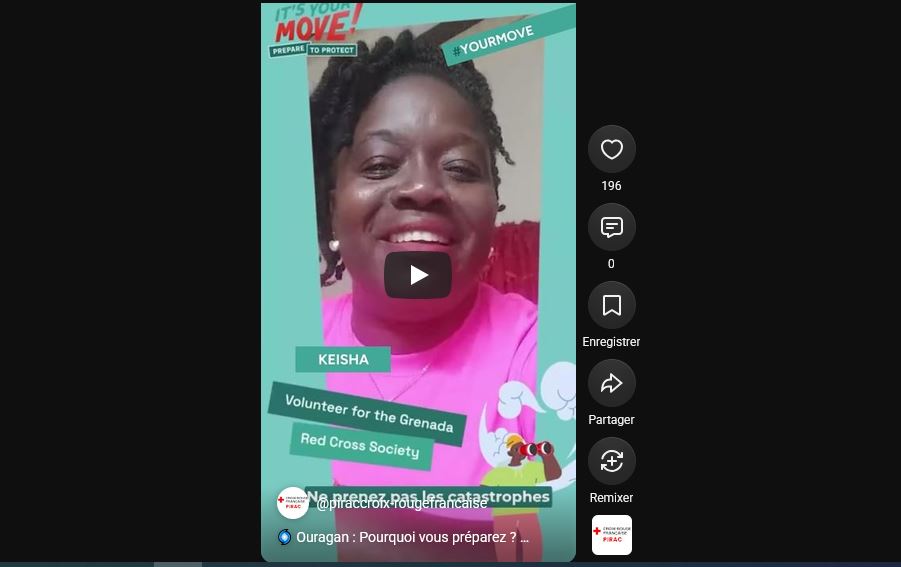
PIRAC YouTube channel, featuring the testimonies.