Informing yourself about disasters
Natural hazards
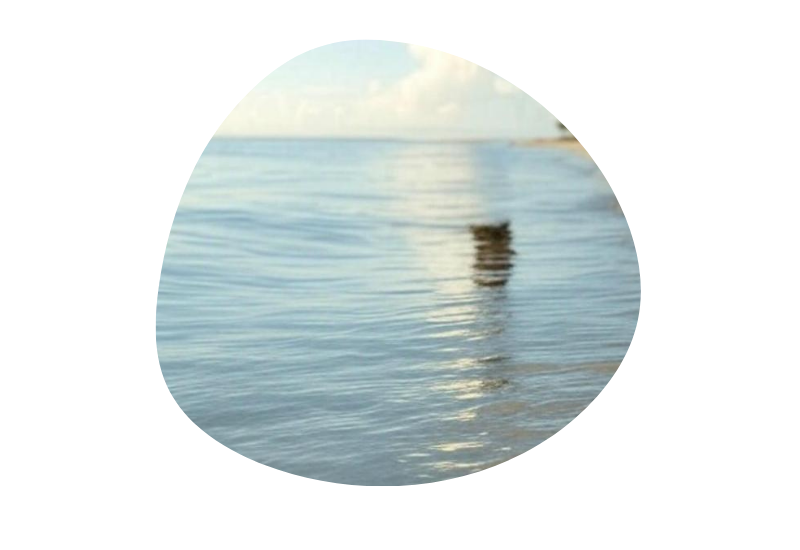
Climate change is a global phenomenon characterized by an increase in average temperatures due to human-induced greenhouse gas emissions, leading to changes in climate patterns.
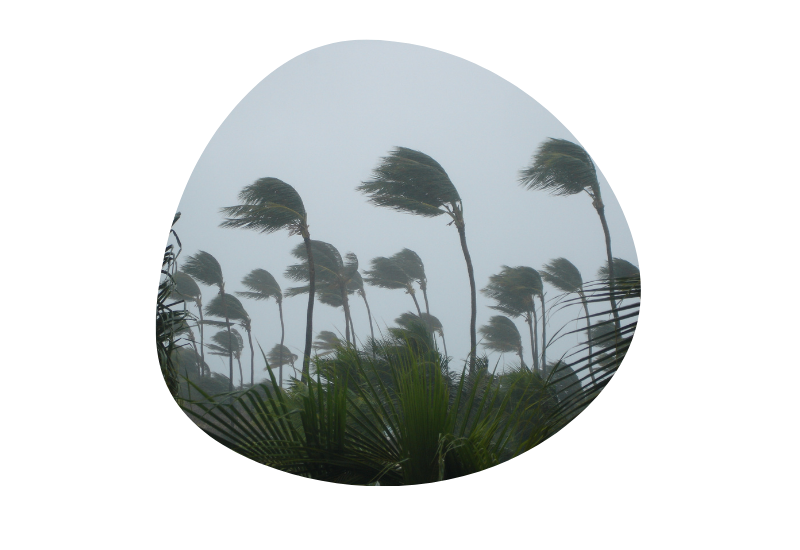
A hurricane is a tropical storm intense with winds exceeding 119 km/h, formed on warm waters, causing torrential rains, flooding, and destruction.
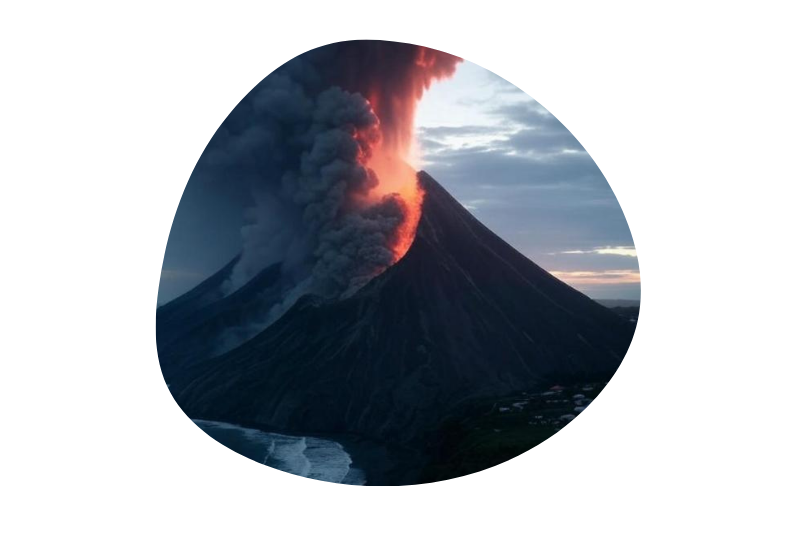
A volcanic eruption is the expulsion of lava, ash, and gases from an active volcano, causing lava flows, pyroclastic flows, earthquakes, and major environmental impacts.
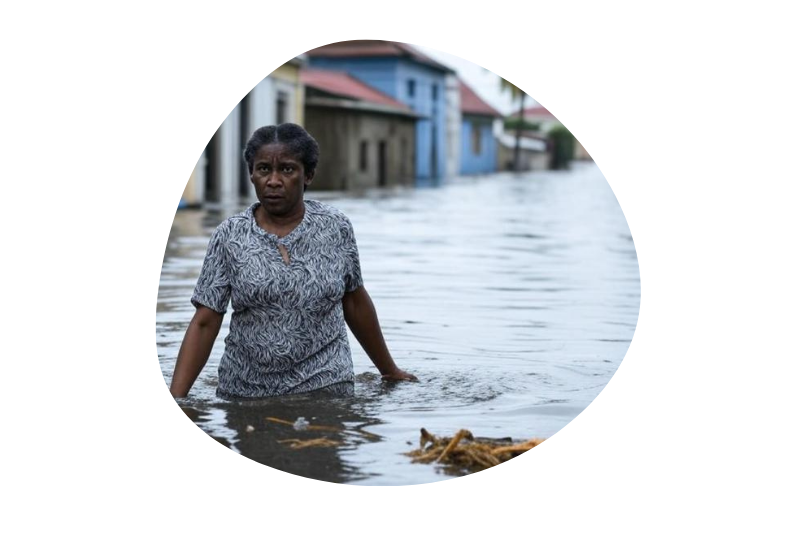
A flood is a temporary submersion of land by overflowing waters, due to torrential rains, river floods, storms, or rising sea levels, causing material damage, human losses, and environmental disruptions.
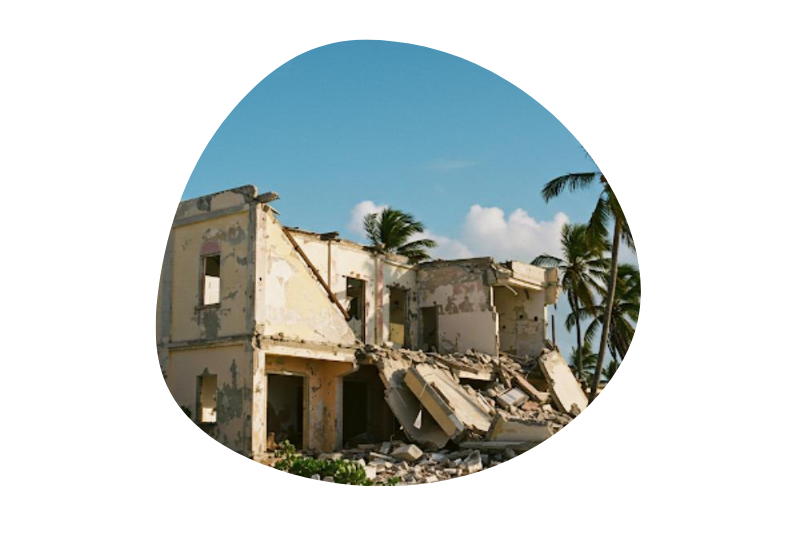
A landslide is a displacement of soil, rocks, or debris under the effect of gravity, such as landslides, rockfalls, or flows, often triggered by rains, earthquakes, or human activities, causing destruction, human losses, and environmental damage.
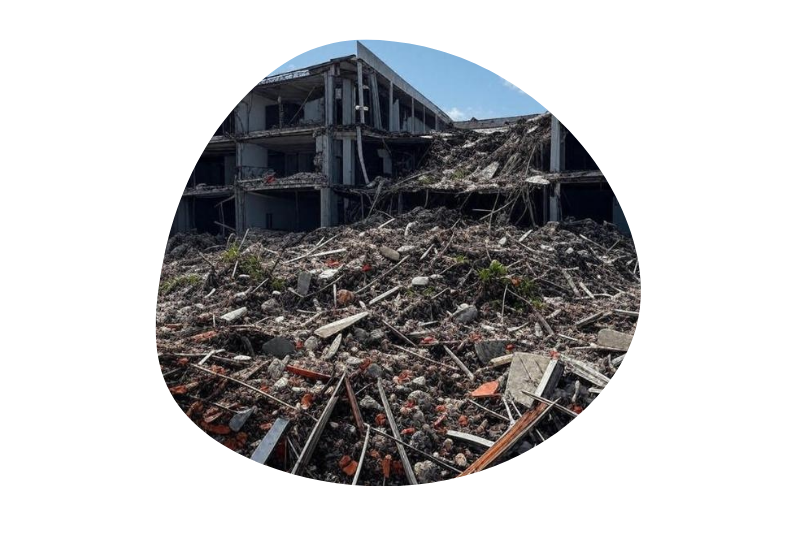
An earthquake is a sudden shaking of the Earth's crust caused by the release of energy in faults, causing vibrations, destruction, potential tsunamis, and human losses, depending on its intensity and location.
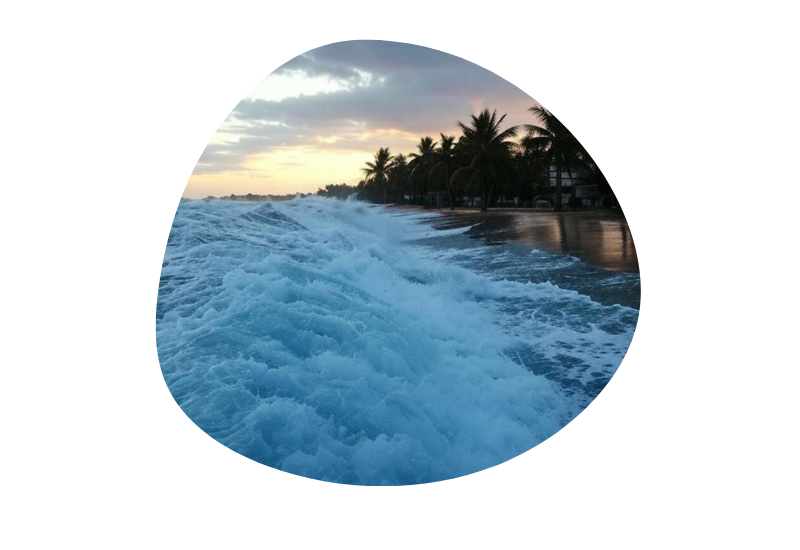
A tsunami is a series of giant waves triggered by an underwater earthquake, a volcanic eruption, or a landslide, causing devastating floods, massive destruction, and human losses in coastal areas.
A hazard is a natural or human-induced event that can potentially cause harm. A risk refers to the likelihood that this hazard will cause damage to people, property, or the environment, depending on exposure and vulnerability. In other words, the hazard is the potential cause, while the risk includes its probable impacts.
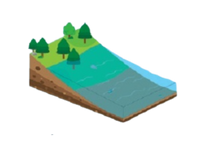
Hazard

Issue
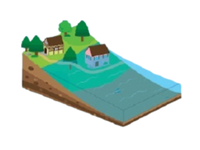
Risk




Sub Heading

Sub Heading

Sub Heading
Sub Heading

Sub Heading

Sub Heading
Sub Heading
Hazards
A few figures
Tropical storms in 2024
10 directly affected the Caribbean Sea and the Gulf of Mexico. Among these storms, 11 became hurricanes.
863
Séïsmes
according to historical data and seismic archives. Among them, 5 earthquakes reached a magnitude of 5 or more
This is the number of active volcanoes in the Caribbean
millions of inhabitants affected by natural risks in the Caribbean and Latin America according to the UNFPA (United Nations Population Fund)
billion euros: this is the total cost of Hurricane Irma in 2017 according to the National Hurricane Center
Differences in the Caribbean
According to the University of Caen Normandy, while the if the Caribbean is particularly exposed to hazards,territories are not equally affected: some are more vulnerable than others.
Composed mainly of islands, the Caribbean is often hit by violent tropical storms, cyclones, and tidal wavesThe majority of the population living on the coast, it is therefore particularly exposed to natural risks. (Source : University of Caen Normandy – Atlas Caribbean – “Societies facing risks: the case of the Caribbean”))
Le Climate changea more global phenomenon, can also have an impact on certain natural risks, such as cyclones whose scientists predict an increase in intensity or droughts that will be more frequent, with longer dry seasons and shorter wet seasons.
The recurrence of tropical storms and tidal waves should not however, make us forget the other risks present in the region, namely: earthquakes, ground movements, volcanic eruptions, and floods.
Menu

Home
Natural hazards
How to Protect
Risks on my island
Tool box
About
Quick access
Resources
Glossary
Contact
FAQ
Cookie policy (EU)
Pirac
OECS
CDEMA