Drought in the Caribbean : An underestimated climate challenge
Overshadowed by hurricanes in the media, drought is nevertheless one of the most insidious climate risks affecting the region. In 2026, it is simultaneously impacting Guadeloupe, Saint Lucia, Grenada, and much of the Lesser Antilles. This hazard has long-lasting consequences on water resources, food security, and public health across Caribbean populations.
+ 30 %
Increase in the frequency and intensity of global droughts since 2000.
13,8 M
People facing acute food insecurity in Latin America and the Caribbean in 2023 due to drought.
40 %
Of Haitians lack access to safe drinking water according to WHO and UNICEF.
2026
Long-term drought forecast across the Caribbean until the end of May.
Drought in the Caribbean : A very real threat
According to the United Nations, drought is now considered a “slow-onset silent killer” from which no country is spared.
Globally, the frequency and intensity of droughts have increased by nearly 30% since 2000. In the Latin America and Caribbean region, the World Meteorological Organization (WMO) documented how drought pushed 13.8 million people into acute food insecurity in 2023.
Although the Caribbean benefits from abundant tropical rainfall, this reality conceals a deep structural vulnerability : small island territories, limited freshwater reserves, often fragile water infrastructure, and a direct dependence on rainfall to recharge groundwater and sustain rivers.
2026: The Caribbean Faces a Concerning Drought Episode
The Caribbean Institute for Meteorology and Hydrology (CIMH), the regional authority for Caribbean meteorology and hydrology, reported that since the beginning of the year, the Caribbean has been facing a concerning drought episode, particularly in the Lesser Antilles, with rainfall deficits observed from the start of the year and high risks of water stress.
The territories most exposed are Grenada, Dominica, Saint Lucia, Guadeloupe, and Martinique, as well as the islands of Aruba, Bonaire, and Curaçao.
Saint Lucia and the Lesser Antilles : A deep water crisis
In Saint Lucia, authorities had already begun preparing in January 2026 for a drought that some local officials described as the worst in the last ten to fifteen years. In the northern part of the island, where hotels and a large portion of the population are concentrated, water supply is already insufficient. Water trucks are being mobilized for home deliveries, highlighting the fragility of existing infrastructure.
“We are preparing for what appears to be one of the worst drought periods of the last ten to fifteen years.”
– Zilta George-Leslie, President of the Saint Lucia Water and Sewerage Company, January 2026, quoted by La 1ère / France Info
Guadeloupe under drought alert
In April 2026, the Prefecture declared a drought alert for Grande-Terre and La Désirade due to declining groundwater levels and dysfunctions in the drinking water distribution network. Other hydrographic areas in Guadeloupe remain under vigilance status. Residents are required to comply with water-use restrictions, including limiting the watering of private vegetable gardens, prohibiting the filling of private swimming pools, and banning the washing of vehicles and boats. Similar regulations also apply to professional and commercial water use.
Why Is the Caribbean Vulnerable ?
Caribbean vulnerability to drought is not simply a natural inevitability ; it results from a combination of several factors :
- Geographical factors: small island territories with limited freshwater resources and storage capacity.
- Climate change effects: rising temperatures increase soil water evaporation, while irregular rainfall patterns affect seasonal cycles and groundwater recharge.
- Human and tourism pressure: water consumption fluctuates with tourism seasons, urbanization, and agricultural demands.
- Water infrastructure weaknesses: drinking water distribution systems are severely fragile, with major water losses worsening shortages during drought periods.
The year 2026 will also be influenced by the El Niño phenomenon, associated with higher temperatures, lower rainfall, and increased drought episodes.
Impacts : Far beyond the discomfort of turning on the tap
Agriculture on the front line
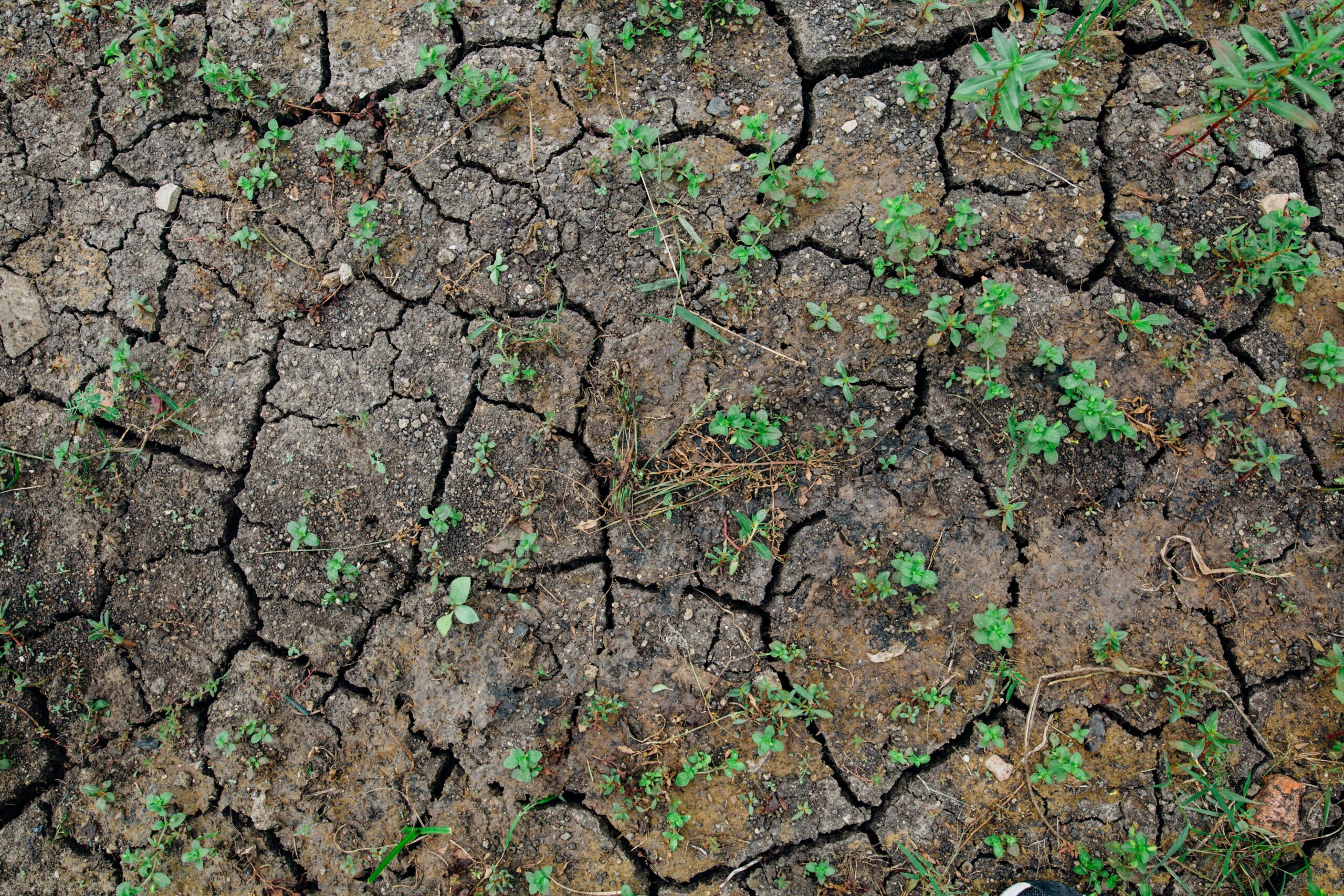
Caribbean agriculture, which directly feeds a large portion of rural populations and contributes significantly to island economies, is one of the first victims of drought episodes. In Guadeloupe, farmers describe a decade of worsening droughts: dried-out soils, rocks resurfacing, and crops progressively withering away.
Public health : An often overlooked risk
Due to limited access to drinking water, populations increasingly turn to alternative sources such as uncontrolled wells and surface water, whose quality may be compromised. This raises the risk of waterborne diseases such as gastroenteritis, infectious diarrhea, typhoid fever, and even cholera in highly vulnerable areas.
Water storage practices also encourage mosquito breeding, increasing the spread of vector-borne diseases such as dengue fever.
Drought periods are often accompanied by extreme heat, leading to dehydration, heatstroke, extreme fatigue, respiratory illnesses, and other serious health risks, particularly for vulnerable groups such as the elderly, pregnant women, and young children.
Drought also contributes to the concentration of pollutants in low-flow rivers, increasing contamination risks.
Fragile coastal ecosystems
Reduced river flows increase salinization in estuaries and coastal wetlands, affecting mangroves and seagrass beds that serve as fish nurseries and natural barriers against coastal flooding. Sea level rise, combined with reduced freshwater input from rivers, further exposes coastal groundwater reserves to saltwater intrusion – a phenomenon already documented on several Caribbean islands.
Useful resources
- Hydrological monitoring bulletins in Guadeloupe : DEAL Guadeloupe – Drought
- Weather monitoring and forecasts for Guadeloupe : Météo-France Guadeloupe
- Weather monitoring and forecasts for Martinique : Météo-France Martinique
- Regional Caribbean drought monitoring : CIMH – Caribbean Institute for Meteorology and Hydrology
- WMO report on the state of climate in Latin America and the Caribbean : World Meteorological Organization
Frequently asked questions
Is the Caribbean really threatened by drought?
Yes. Despite significant tropical rainfall, the Caribbean is structurally vulnerable to drought due to small island surfaces, fragile water infrastructure, and highly variable rainfall patterns. Climate change is worsening this vulnerability by making dry episodes more frequent and more intense.
Which territories are most affected by drought in 2025–2026?
According to the CIMH, a long-term drought is affecting the Caribbean through the end of May 2026. Grenada is the most severely affected territory. Dominica, Saint Lucia, Martinique, Trinidad and Tobago, Puerto Rico, and Jamaica are also impacted. In Guadeloupe, a drought alert was declared in April 2026 across half of the territory.
What actions should be taken during adrought in the Caribbean?
Reduce household water consumption, avoid watering gardens during the hottest hours of the day, install rainwater harvesting systems, comply with official water restrictions, and report any leaks in the public water network to the appropriate operator.
What is the link between climate change and drought in the Caribbean?
Climate change intensifies the water cycle: rainfall becomes more irregular, alternating between intense downpours and increasingly severe droughts.
Sources et references
- La 1ère / France Info, Une sécheresse annoncée dans toute la Caraïbe, janvier 2026. la1ere.franceinfo.fr
- DEAL Guadeloupe, arrêté Sécheresse 2026
- ONU Info / CNULCD, Tueuse silencieuse à évolution lente, la sécheresse décryptée, décembre 2024. news.un.org
- Banque mondiale, Décryptage : Changement climatique et sécheresse, 2023. banquemondiale.org