Volcanic eruptions
What is a volcanic eruption?
The Earth's crust is constantly changing. You can't see it with the naked eye, but the rocks are moving on a global scale. This activity is particularly evident near the major faults that run through it. These faults allow magma (a mixture of molten rock that has become liquid due to heat and gas) to rise. During an eruption, the pressure allows the magma to escape to the surface through a crater or fissure, which are openings or exit points. The magma then becomes lava which, as it cools and solidifies, creates a cone called a volcano.
Types of volcanic eruptions
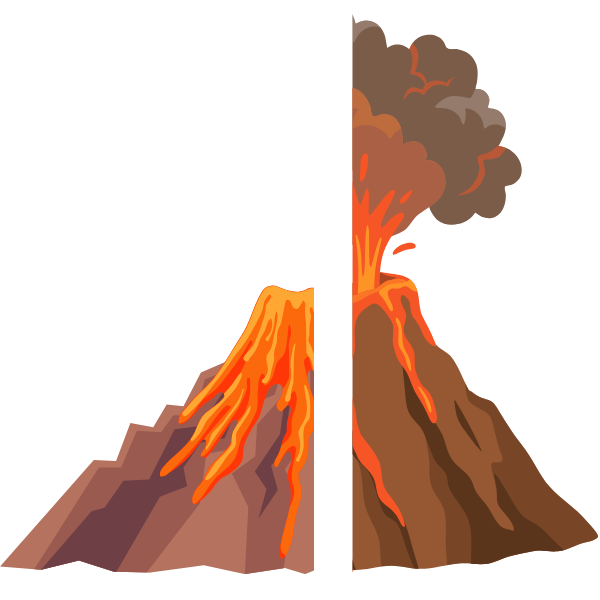
Effusive volcano
Regular eruptions of high-temperature fluid lava (around 1,200°C), flowing slowly down the volcano's slopes.
Explosive volcano
The viscous, low-liquid, gas-rich magma accumulates deep beneath the dome, which acts as a «plug». When the pressure becomes too great, the magma is expelled violently, creating large plumes of gas and clouds of ash that can take the form of fiery clouds.
Caribbean volcanoes are explosive.
As well as lava flows and gas emissions, volcanoes can generate other dangerous phenomena, such as lahars. A lahar is a volcanic mudflow: it forms when water from heavy rain mixes with volcanic ash and debris. Lahars can rapidly roll down slopes and cause major damage in inhabited areas.
The eruptions marked the history of the Caribbean, check out these past events by clicking here.
The volcanic eruptions in the Caribbean
"The Caribbean region is characterized by significant volcanic activity. This area is known as the Lesser Antilles Arc. Volcanic activity on Earth is driven by plate tectonics and the movement of magma underground. The Earth’s surface is divided into about a dozen tectonic plates that move relative to one another. Their interactions create different geological processes, particularly:"
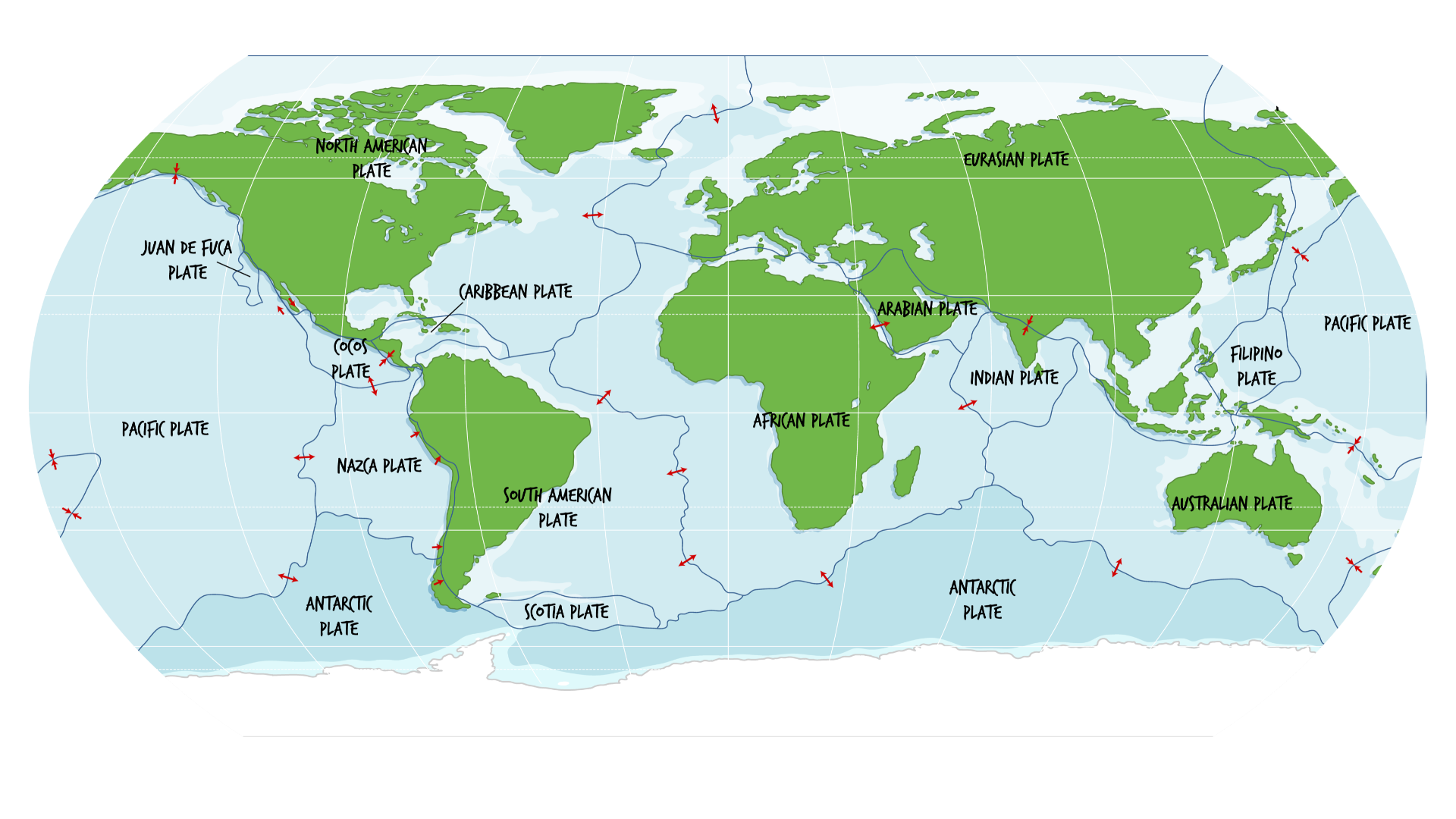
Convergence Zone
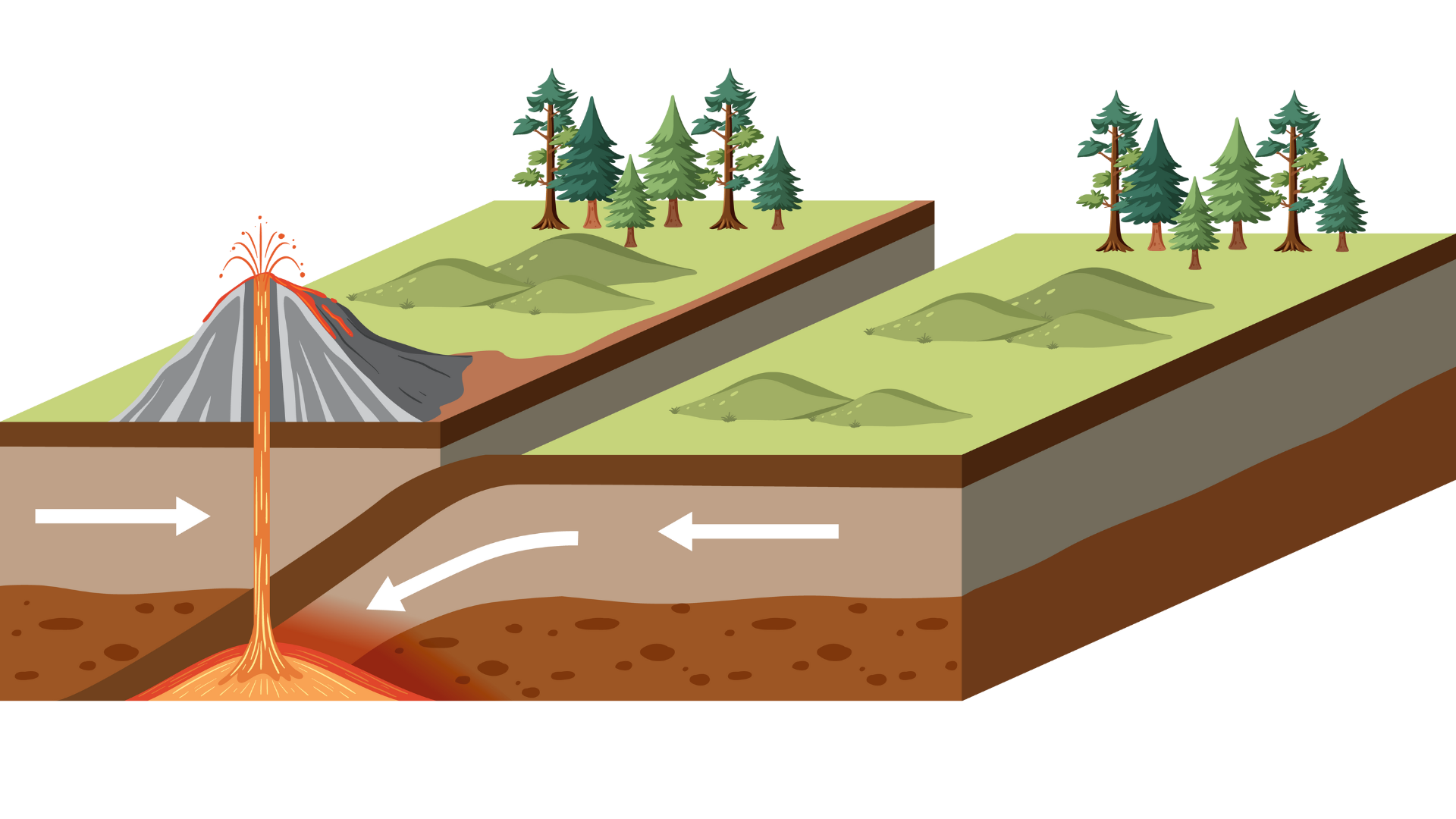
A plaque can dive under another, this is called subduction zones
Divergence zone
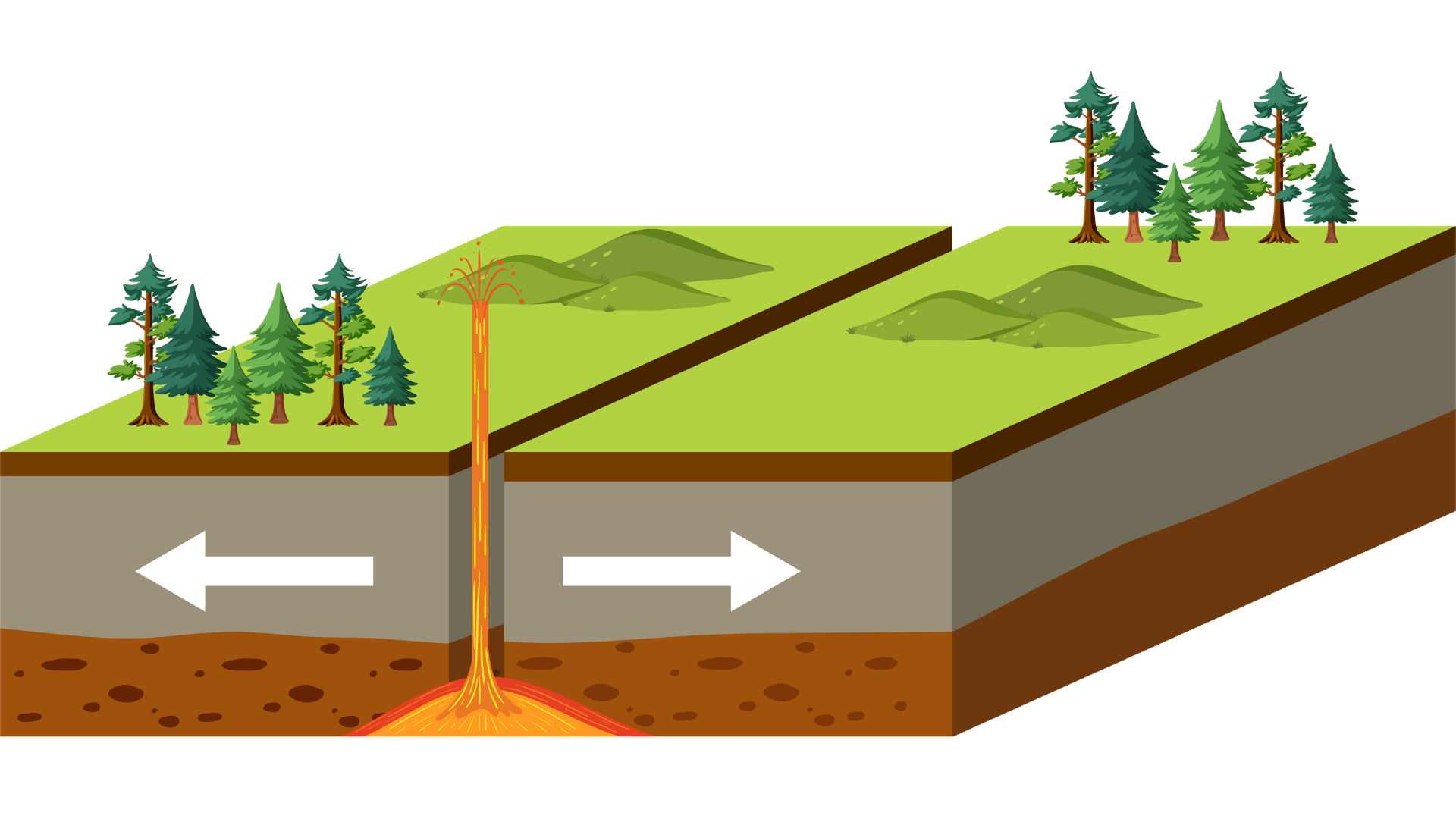
The warm material rises to the surface of the earth and pushes the plates
The west indies is a chain of volcanic islands that extends into the Caribbean sea and having been created by the succession of volcanic eruptions from about 40 million years ago.
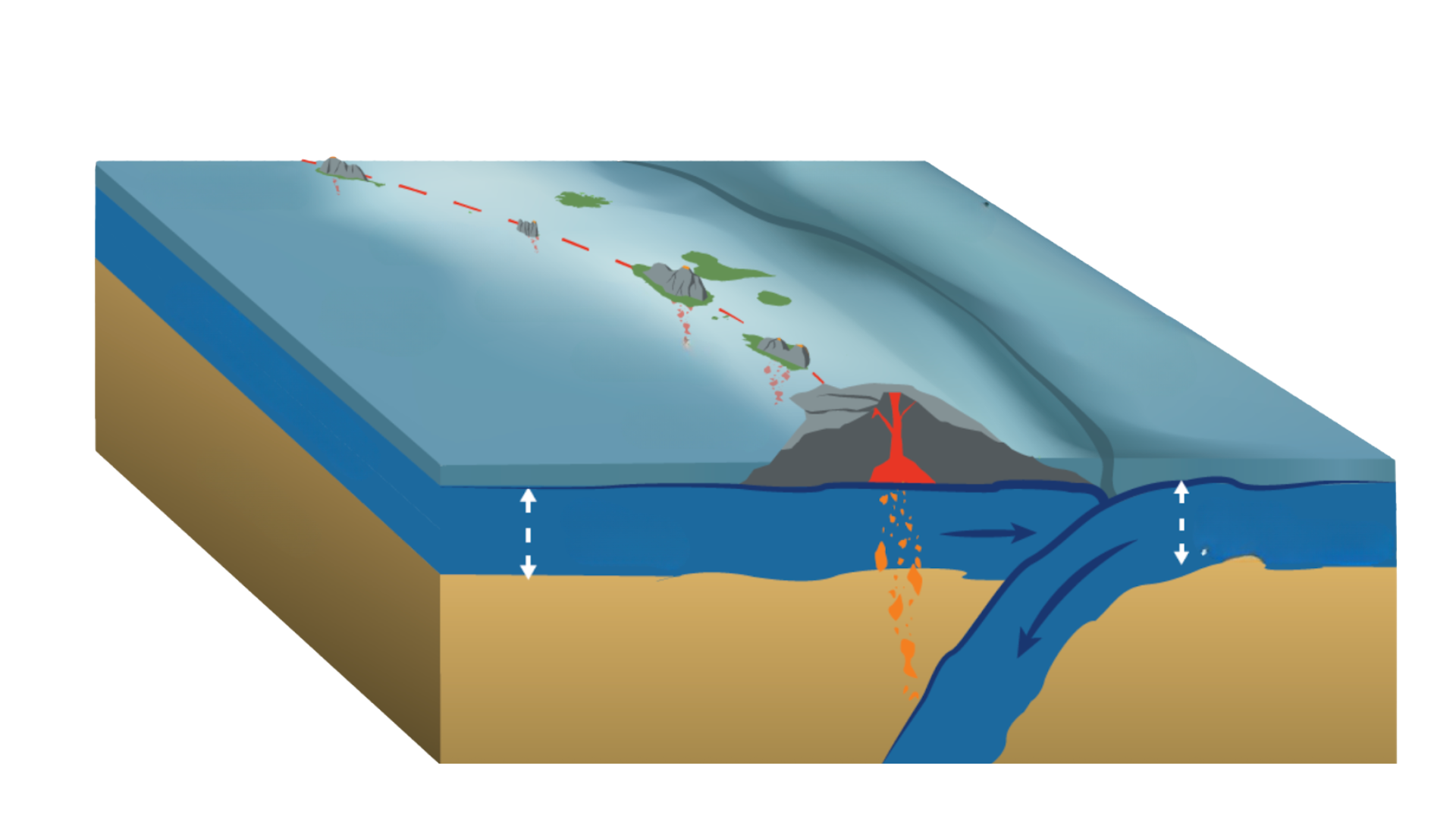
Diagram of the formation of the west indies ( ©Risque972)
To the east of the Caribbean Sea, the North American Atlantic tectonic plate (less dense) converges until it slowly slides under the Caribbean plate (denser), a process known as subduction. This meeting of plates, which takes place over millions of years and at a speed that is very slow by human standards (a few centimetres per year), is geologically significant, generating a highly active volcanic zone. As the oceanic plate sinks into the Earth's mantle, it is subjected to very high pressures and temperatures, resulting in the creation of magma.
This magma then rises to the surface and feeds volcanoes.
A succession of volcanic eruptions has been shaping the Caribbean arc for around 40 million years. Today, this volcanic activity continues to shape the Caribbean landscape.
The volcanoes in the caribbean are volcanoes explosive, even if some have been able to exhibit phases effusive.
Source : Booklet teacher, cycle 3 – Project "Pare pa Pare" – French Red Cross – 2022
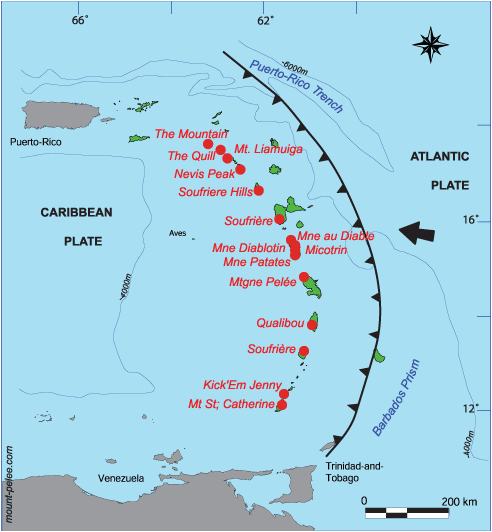

Map of active volcanoes in the Lesser Antilles
For more information :
Redirect links
Risk 972 – Monitoring and Safety Tips Explanation on the phenomenon, the hazards, how to protect themselves and the eruptions in the lesser Antilles (En)
Volcanoes | The UWI Seismic Research Centre University of the West indies explanation on the volcanoes (Eng)
Volcanic eruption | Geohazards French guide to volcanic eruptions - Géorisques (en)
Menu
Home
Natural hazards
How to Protect
Risks on my island
Tool box
About
Quick access
News
Resources
Glossary
Contact
FAQ
Cookie policy (EU)
Pirac
OECS
CDEMA