How to Protect
Natural hazards

People with special needs
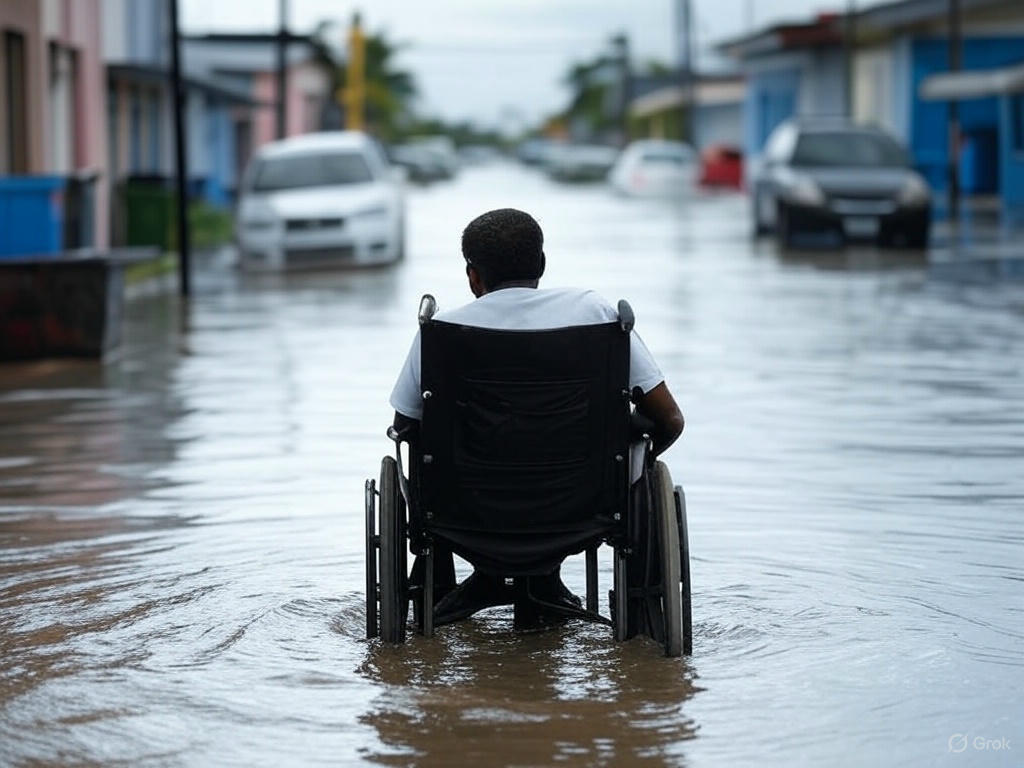
Disability and risk
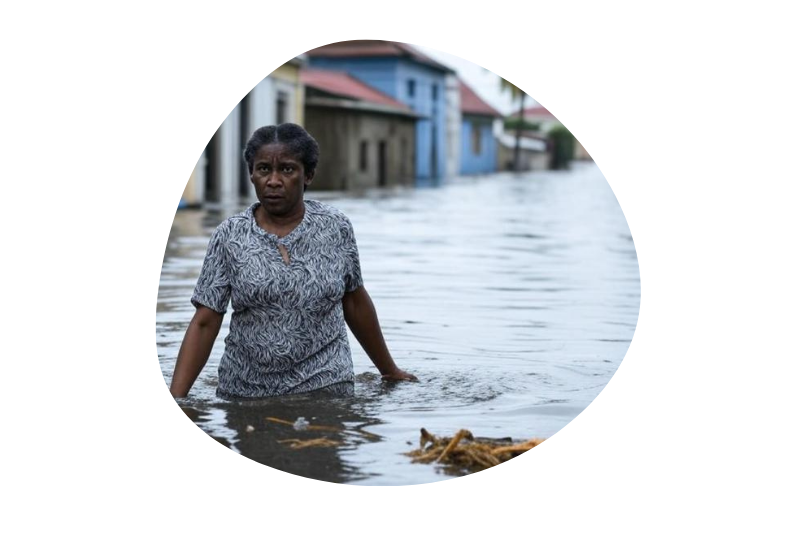
A person with reduced mobility in the face of the flood
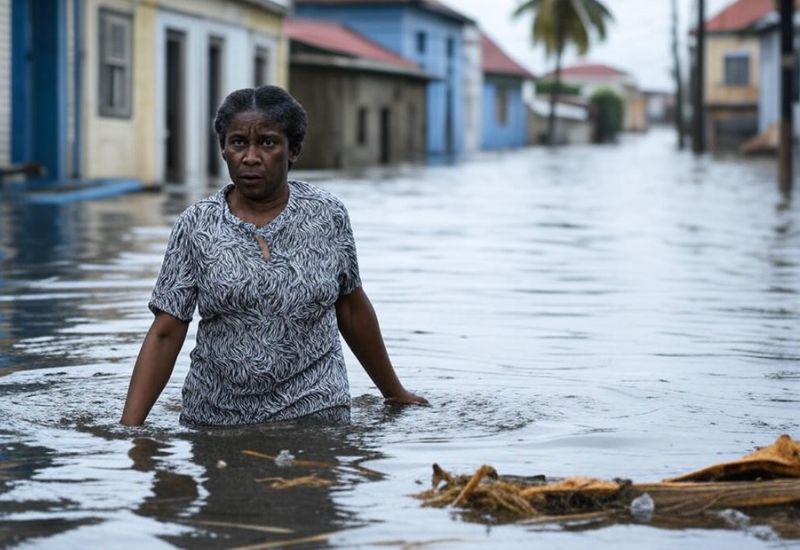
Seniors
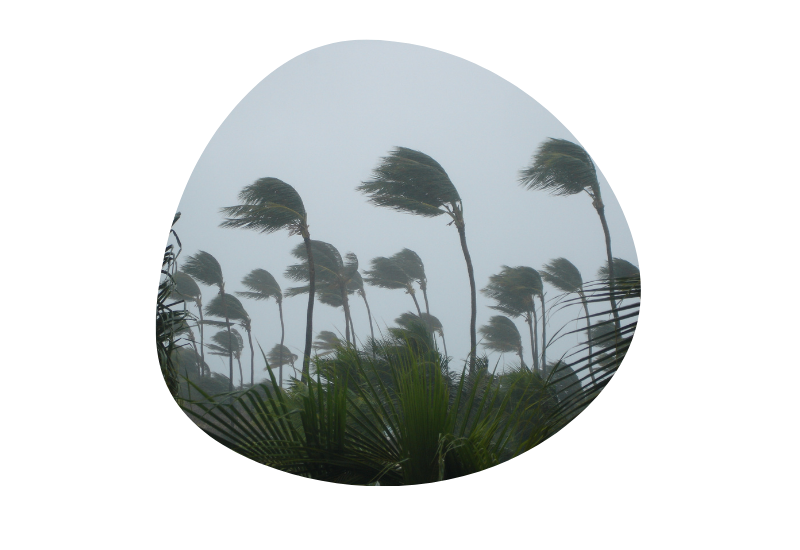
The elderly are particularly vulnerable
Children
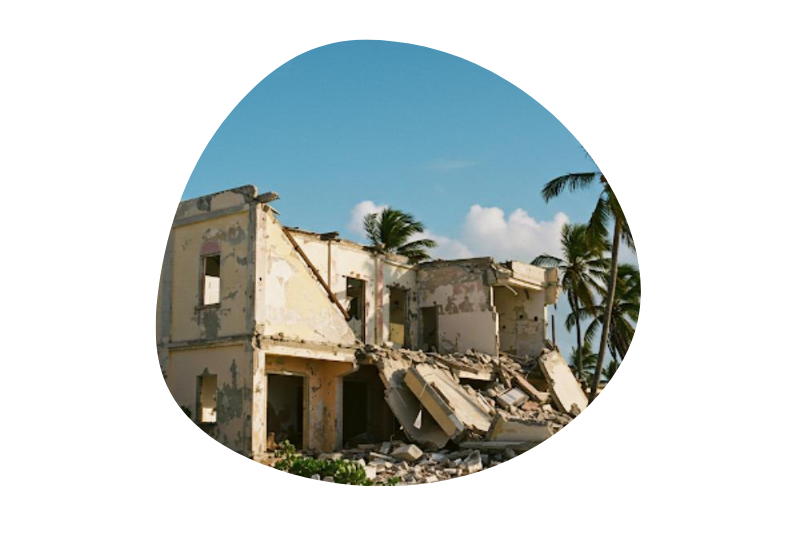
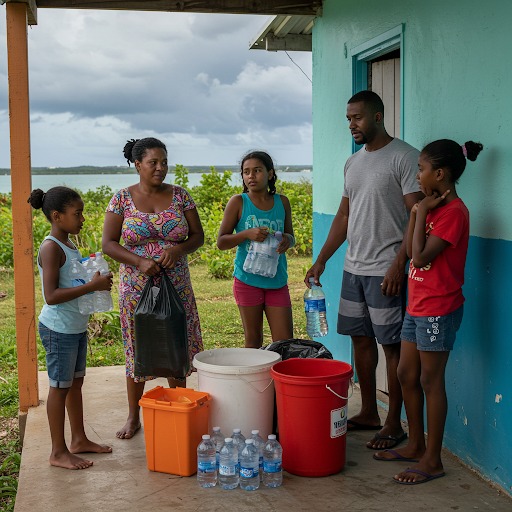
Children are vulnerable to the risks
According to Handicap International, some people are more vulnerable to disasters because of their gender, age, or disability. These individuals may have specific needs when a hazard occurs, whether to prepare for, cope with, or recover from the event. If these needs are not taken into account, disasters may have a greater impact on them, increasing their vulnerability and potentially reinforcing social exclusion. It is therefore essential to remove barriers that limit the resilience of people with specific needs. This requires ensuring their active participation in risk identification and in the implementation of strategies to reduce risks and their consequences, both at the community level and within households.
Source : "Reduction inclusive disaster risk" – Handicap International – DC Brief N°13 – 2017
Safety and prevention measures can be adapted for people with specific needs, such as people with disabilities, people living with chronic illness, older adults, or those responsible for someone with special needs (such as parents or caregivers). While all protective measures and safety instructions apply to groups with special needs, some instructions may need to be adapted. It is therefore necessary to be aware of all the instructions and their adaptations, whether you are a person with special needs or a person with responsibility for them.
Source : PFMS inclusive multi-hazard – Project "Pare pa Pare" – The French Red Cross – 2023
the protection measures in individual, family and collective
Disaster preparedness is a shared responsibility. It comes as the government that every citizen. The protective measures are actions that aim to reduce risks and/or impacts of disasters. These measures can be individual, family or collective.
At the individual level and family
Before
Before a disaster strikes, being well prepared can considerably reduce the impact of a risk on yourself, your family and your property. It is important to be aware of the instructions issued by government departments, and to follow the forecasts and monitoring systems of government departments, meteorological organisations and/or scientific bodies (e.g. the University of the West Indies on seismic and volcanic risk). Don't hesitate to find out about risk prevention plans in your local area, to find out which zones are at risk, which zones are off-limits to construction, etc.
Exchanging information with elders allows for the transmission of lived experience and practical advice, maintaining the risk culture within the home. This intergenerational transmission contributes to better preparation.
To help people prepare for natural hazards, it is also very useful to draw up a family safety plan (PFMS): this is a tool commonly used to help people prepare at home. The PFMS provides general safety instructions in the event of a natural hazard, or specific instructions for each hazard, as well as guidance on preparing an emergency bag and a family evacuation plan.
During
During the event, it is important to act to protect yourself and your loved ones, and to secure your property only if it is safe to do so. Stay informed, follow recommended safety actions, and the instructions of the authorities.
After
After an event, it is important to remain vigilant: roads may be cut off, water may no longer be drinkable, a natural hazard may cause another natural hazard (e.g. flooding may cause a landslide). It is important to listen to the authorities' instructions before resuming normal activities.
At the collective level
At government level, risk management also takes place before, during and after a disaster. This is known as the disaster risk management cycle.
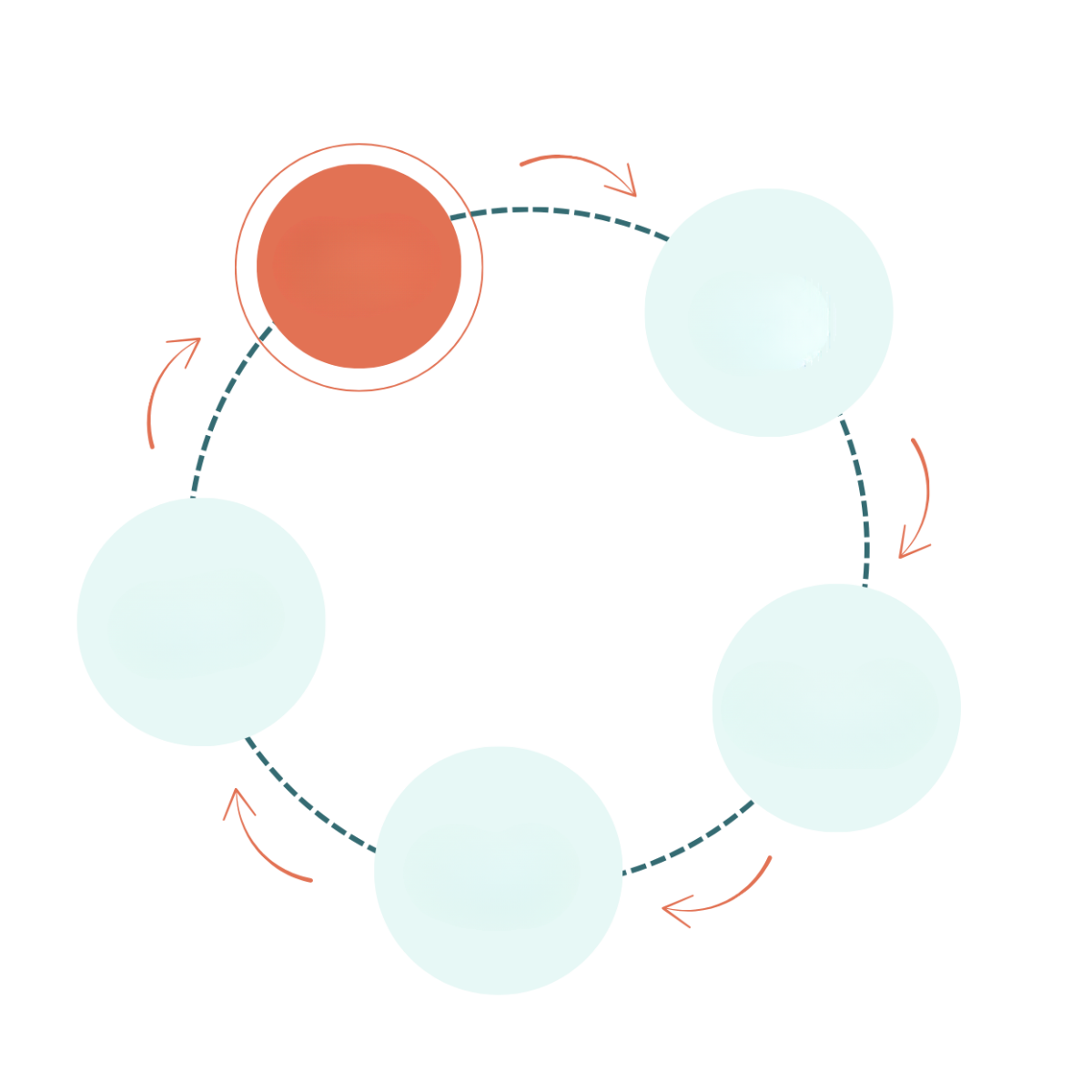

The cycle of disaster risk management
The cycle of disaster risk management





The emergency kit
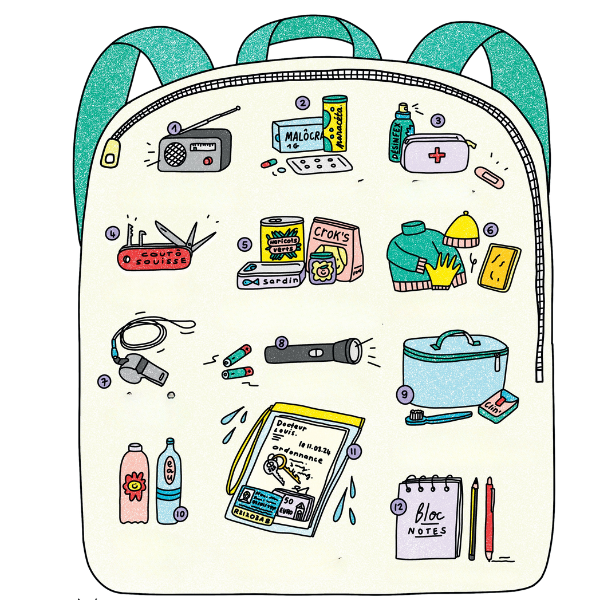
In the Face of natural hazards, the probability of having to evacuate is common. In the midst of a crisis, it is difficult to have the benefit of hindsight and the ability of analysis necessary for you don't forget anything important from.
Have an emergency bag prepared in advance may be helpful. Its composition must cover the five basic needs of a person in the event of a crisis, namely :
1. Hydrate
2. Feed
3. Heal
4. Protect
5. Report
The emergency kit should provide for the basic needs for a period of 24 to 72 hours pending the arrival of emergency. The composition of this emergency bag is adapted to the situation of each family to meet their specific needs.
Tip: this bag should be kept in an easily accessible place. It's important to check the contents once a year, especially the expiry dates of medicines and perishables, and to replace the batteries. If the bag has been used, don't forget to restock it.
Early warning systems
The Caribbean is a region that is particularly exposed to natural hazards. Its geography island and the proximity of the coastal populations are increasing the vulnerability to such events.
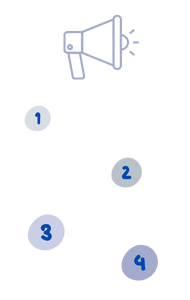
The early warning systems aim to establish measures of protection and preparedness to natural hazards. They are based on 4 pillars.
For more information and to understand how the EWS (Early warning systems) work, watch the video.
Early warning systems
Links to websites to explain the SAP in the Caribbean
What is the EWS ? Explanation of what an early warning system is and its importance in saving lives in the event of a disaster.
Resilience in the Eastern Caribbean Presentation of the strategies and actions put in place to strengthen the resilience of communities to natural disasters in the Eastern Caribbean.
Menu
Home
Natural hazards
How to Protect
Risks on my island
Tool box
About
Quick access
Resources
Glossary
Contact
FAQ
Cookie policy (EU)
Pirac
OECS
CDEMA